Traditional Finnish Saunas vs. Kit and Barrel Saunas: Understanding the Differences
By Paul CasoPublished Updated
The growing popularity of home saunas has introduced a wide range of options to consumers, from inexpensive flat-pack kits and visually distinctive barrel saunas to fully custom, traditionally built Finnish saunas. While kit and barrel saunas are often marketed as convenient and cost-effective, they differ substantially from a true Finnish sauna in construction, performance, durability, and overall bathing experience. Understanding these differences is critical for buyers seeking long-term value and authentic sauna use.
What Defines a Traditional Finnish Sauna
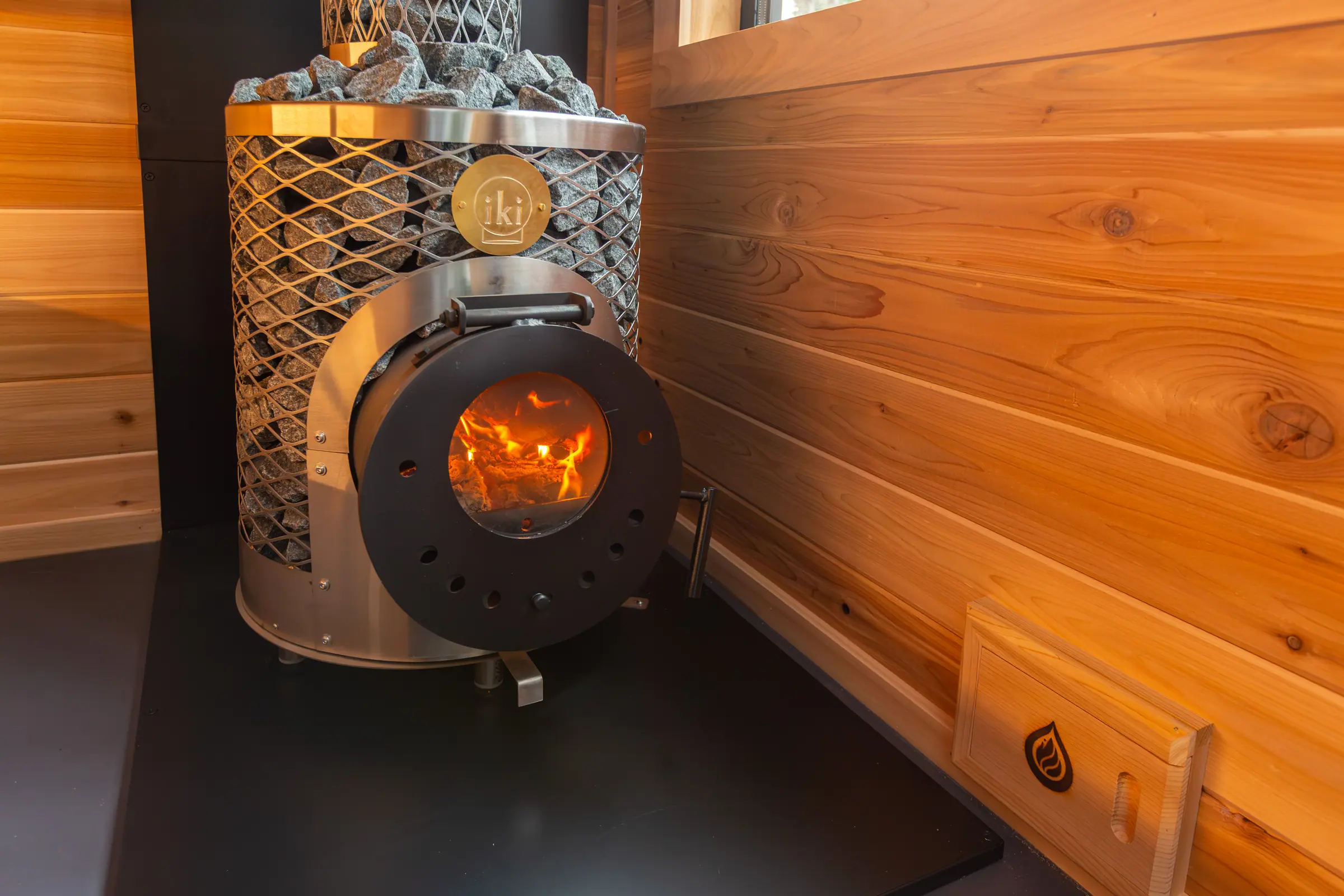
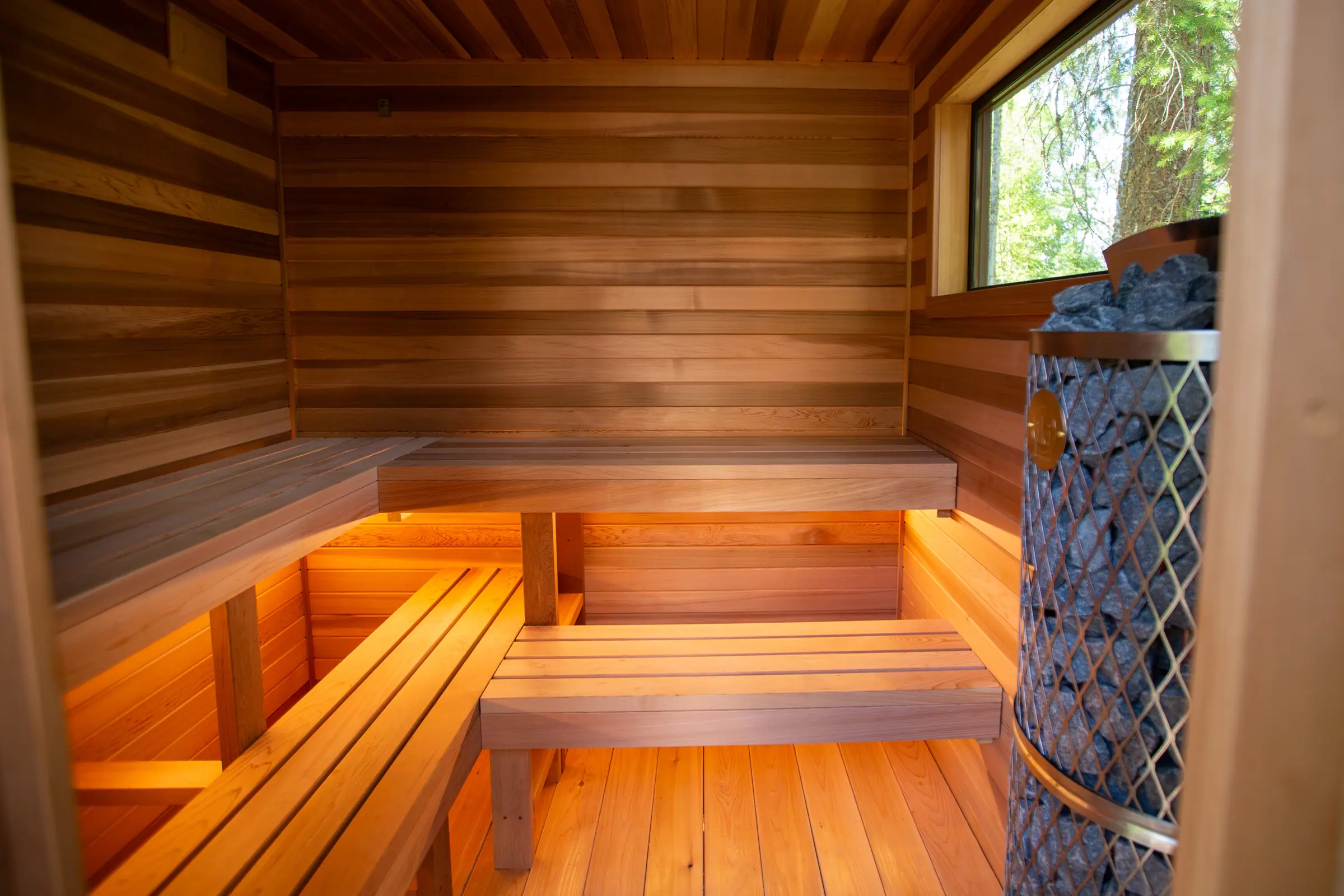
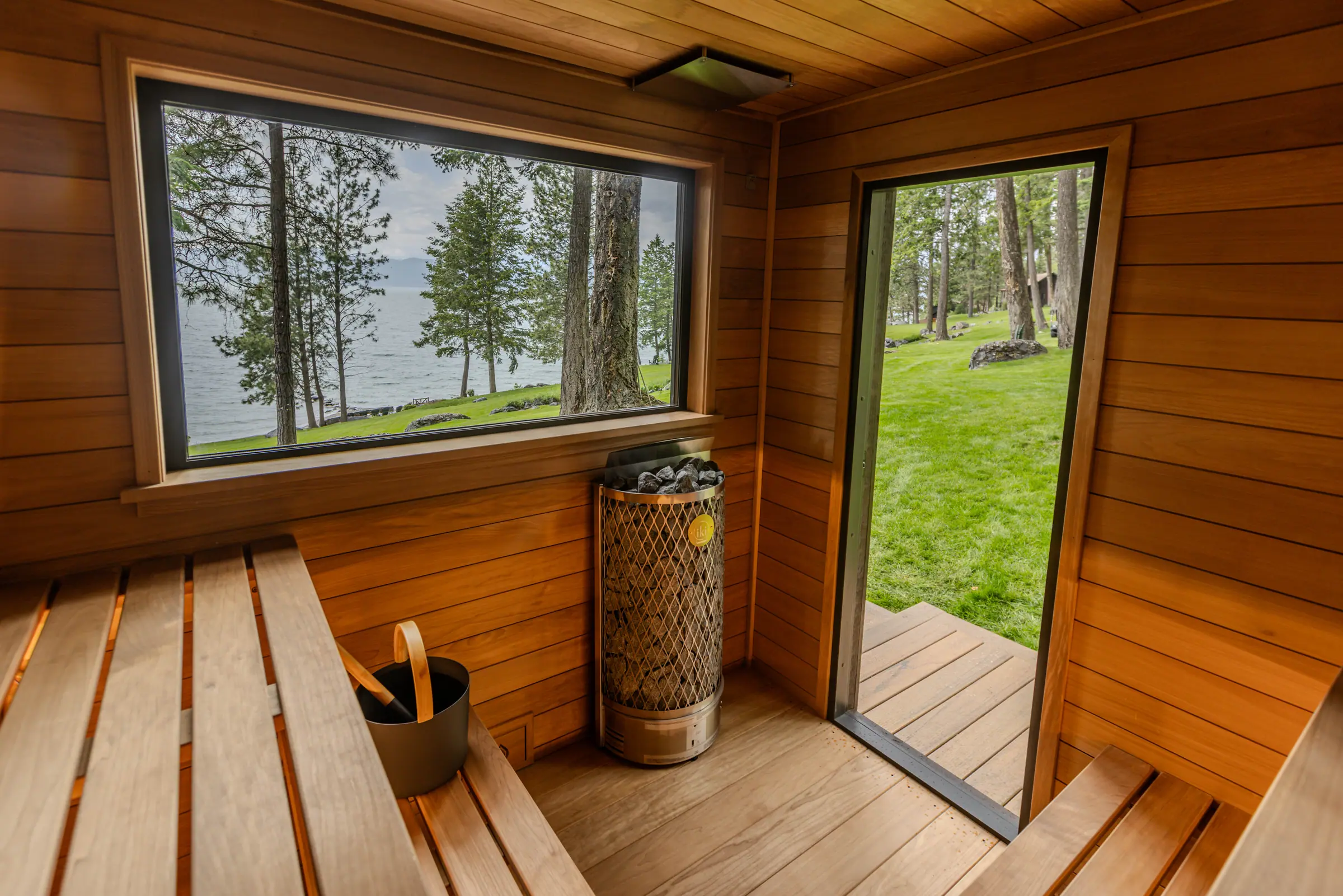
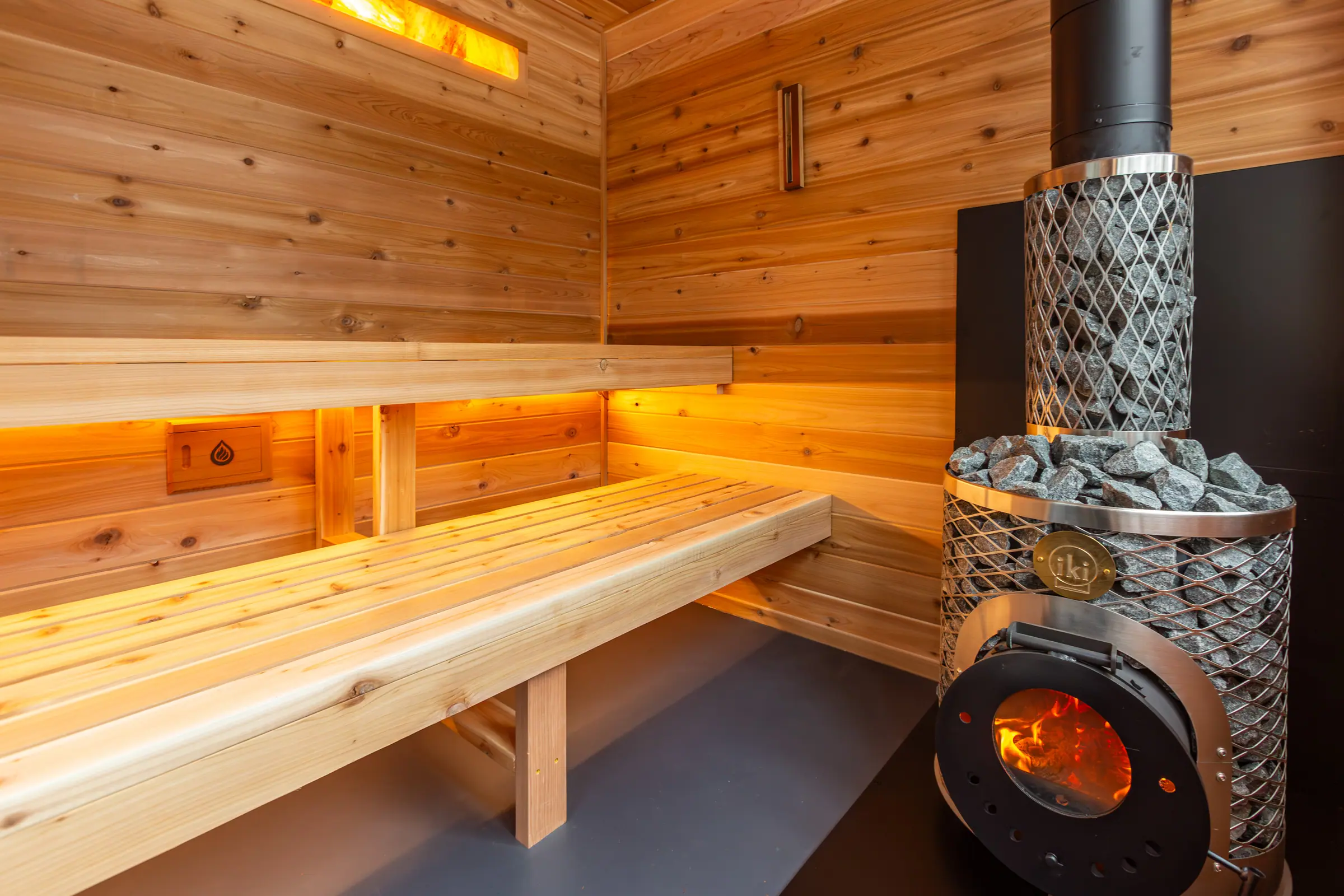
A traditional Finnish sauna is defined less by aesthetics and more by performance and principles refined over centuries. At its core, a Finnish sauna is a well-insulated, rectangular room built with proper vapor barriers, ventilation, and bench geometry designed to promote even heat distribution and effective löyly (the steam produced when water is thrown on hot stones).
Key characteristics include:
-
High, tiered benching that places bathers in the upper heat cavity
-
Adequate flat ceiling height (typically 7–8 feet)
-
Mechanical or gravity-based ventilation
-
Substantial wall and ceiling insulation
-
A powerful heater sized appropriately for the room volume
These design elements work together to create stable temperatures, consistent airflow, and a comfortable, repeatable sauna experience.
Kit Saunas: Convenience at the Expense of Performance
Kit saunas, often sold as pre-cut or modular packages, appeal to buyers looking for quick installation and predictable pricing. However, these advantages frequently come with notable compromises.
-
** Insufficient Insulation and Vapor Control
**Many kit saunas rely on thin solid wood walls without proper insulation or vapor barriers. While wood does provide some natural insulating value, it is not sufficient on its own. Heat loss is significant, leading to longer heat-up times, higher energy consumption, and inconsistent interior temperatures. Poor vapor control can also result in moisture intrusion, warping, and premature material failure. -
** Undersized Heaters
**To keep costs down, kit saunas are often paired with heaters that are marginally sized for the enclosure. This limits maximum temperature, reduces stone mass, and weakens löyly. The result is a sauna that feels warm but lacks the depth, intensity, and responsiveness expected of a traditional Finnish sauna. -
** Low Ceiling Heights and Poor Bench Design
**Many kits are designed to fit standard ceiling heights or ship compactly, resulting in low ceilings and flat bench layouts. In practice, this places bathers in the lower, cooler portion of the heat cavity, where temperatures are uneven and foot-level cold zones are common. -
** Limited Longevity
**Kit saunas are typically designed for portability or short-term use rather than decades of service. Thinner materials, simplified joinery, and minimal moisture management all contribute to reduced lifespan when compared to a properly built traditional sauna.
Barrel Saunas: Visual Appeal with Structural Limitations
Barrel saunas have become increasingly popular due to their distinctive appearance and perceived efficiency. However, their round shape introduces fundamental challenges that conflict with traditional sauna principles.
-
** Inefficient Heat Stratification
**Heat naturally rises, which is why Finnish saunas are built with flat ceilings that allow heat to accumulate above the bathers. In a barrel sauna, the curved ceiling prevents proper heat stratification. Hot air is dispersed along the curve rather than pooling overhead, making it difficult to achieve consistent, high-quality heat at bench level. -
** Inadequate Bench Height
**Barrel saunas typically have benches mounted low on the sidewalls to accommodate the curved structure. This places bathers well below the optimal heat zone, often resulting in warm heads and cold feet—an experience that contradicts the fundamentals of Finnish sauna bathing. -
** Ventilation Challenges
**Proper airflow is essential for oxygen exchange, comfort, and effective heat circulation. Barrel saunas often lack intentional ventilation design, relying instead on incidental gaps or end-wall vents. This can lead to stale air, uneven temperatures, and a diminished sauna experience. -
** Structural and Maintenance Concerns
**Because barrel saunas are constructed from stacked staves held together by metal bands, they are particularly sensitive to moisture cycling. Seasonal expansion and contraction can cause gaps, leaks, and band loosening. Over time, this can require frequent adjustments and maintenance, especially in harsher climates.
Comparing Longevity and Value
While kit and barrel saunas may appear less expensive upfront, long-term value tells a different story. A traditional Finnish sauna, when properly built, is a permanent structure designed to last decades with minimal intervention. Its insulated walls, controlled moisture management, and serviceable components result in predictable performance and lower lifetime costs.
In contrast, many kits and barrels are treated as semi-disposable products. When heaters fail, wood degrades, or performance declines, replacement rather than repair is often the only practical option.
The Sauna Experience: Why Design Matters
At its heart, sauna is about more than heat—it is about rhythm, comfort, and consistency. Traditional Finnish saunas allow users to fine-tune temperature, humidity, and airflow to suit personal preference. They support prolonged sessions, multiple bathers, and repeated heat cycles without degradation in performance.
Kit and barrel saunas, by comparison, often deliver a simplified approximation of this experience. While they can provide warmth and relaxation, they frequently fall short of the immersive, enveloping heat and responsive löyly that define true Finnish sauna culture.
Conclusion
Kit and barrel saunas have carved out a niche in the market by emphasizing convenience, portability, and visual appeal. However, these attributes often come at the expense of the very qualities that make sauna effective and enjoyable. Compromises in insulation, heater capacity, bench height, ventilation, and structural design result in reduced performance, shorter lifespan, and a less authentic sauna experience.
For those seeking a sauna that honors tradition, delivers consistent results, and provides lasting value, a properly designed and constructed Finnish sauna remains the benchmark. While it may require greater upfront investment and planning, the difference in quality, durability, and daily enjoyment is substantial—and enduring.
Written by the team at Montana Sauna Company. We design and build custom saunas in Montana and deliver nationwide, except Hawaii.